
READINGS FOR FOURTH SUNDAY OF EASTER, YEAR A, (VOCATION SUNDAY), SUNDAY 26TH APRIL, 2026.
First Reading: Acts 2:14, 36-41
Psalm: 22
Second Reading: 1 Peter 2:20-25
Gospel: John 10:1-10
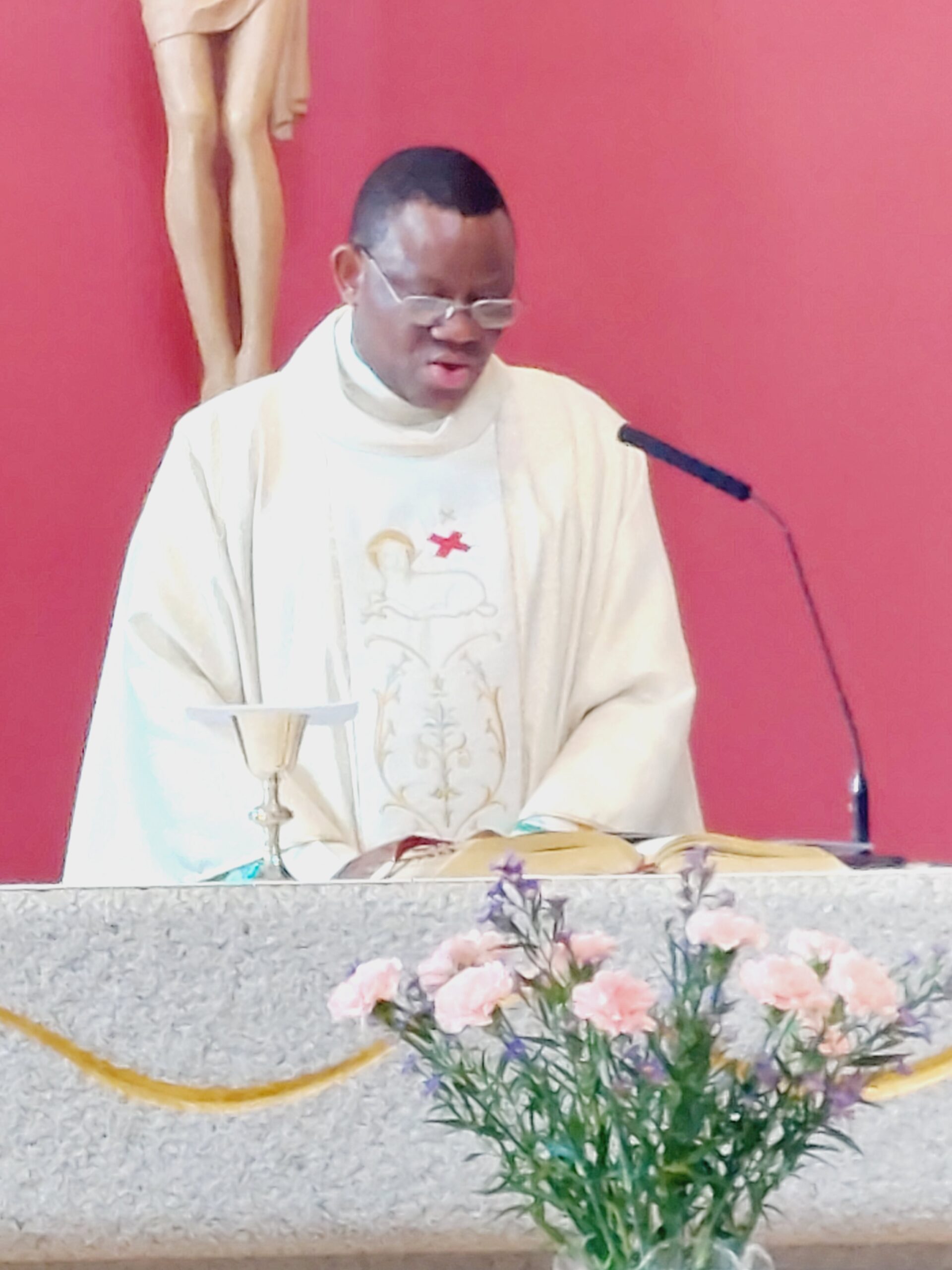
REFLECTION BY FR CORNELIUS NWAOGWUGWU, CM.
A CALL TO TRUST IN JESUS, OUR GOOD SHEPHERD.
Dear Brothers and Sisters in Christ,
On this Fourth Sunday of Easter, Year A, traditionally known as Good Shepherd Sunday, Vocation Sunday and the World Day of Prayer for Vocations, the Church invites us to contemplate the meaning of God’s call in our lives. We are urged to pray for and foster vocations to the Priesthood, Diaconate, Religious Life and Family Life, recognizing that each vocation is a unique response to God’s initiative of love.
At the heart of today’s liturgy stands the profound and consoling image of Jesus Christ, the Good Shepherd, who declares: “I came that they may have life and have it to the full” (John 10:10). This statement is not merely poetic; it is a theological claim about the very identity and mission of Jesus Christ. In the Gospel of John, chapter 10, Jesus reveals Himself as the Shepherd who knows His sheep intimately. He calls them by name and leads them towards abundant life.
In the Gospel today, Jesus uses two complementary images: Shepherd and Gate. As Shepherd, He is the true owner of the flock, the one who guides, protects and lays down His life for His sheep. As Gate, He is the unique passageway to salvation, the mediator between God and humanity. Through Him, we enter the safety of God’s household and the freedom of God’s pasture. These metaphors express the existential truth that our deepest security, identity and purpose are found only in Jesus Christ.
Jesus also warns against false shepherds, voices that mislead, distort or exploit. In a world filled with competing ideologies, anxieties and distractions, today’s Gospel calls us to discern the authentic voice of the Shepherd who speaks with love, truth and authority.
The First Reading from the Acts of the Apostles, presents Peter boldly proclaiming that the crucified Jesus is both “Lord” and “Christ.” These titles carry immense theological weight. “Lord” was a divine title reserved for God alone, while “Christ” (the Greek form of Messiah) means “the Anointed One,” the long-awaited King. Peter’s message is clear: the one rejected and crucified is the very Shepherd sent by God to gather His people. The proper response, Peter insists, is repentance, baptism and a new life shaped by the Spirit. (2:14, 36–41).
Today’s Psalm deepens this theme by portraying God as the Shepherd who provides, restores, guides and protects. This psalm is not sentimental poetry; it is a profound confession of trust. It reminds us that God’s shepherding care extends into every valley of fear, uncertainty and suffering. In a fragmented world, this assurance offers spiritual, emotional and psychological grounding. (Psalm 22).
In the Second Reading, Peter presents Jesus as the Shepherd who suffers not out of weakness but out of self-giving love. His wounds heal us; His patience teaches us; His fidelity strengthens us. We who once wandered like lost sheep have now returned to the “shepherd and guardian of our souls.” This passage challenges every Christian, especially those in leadership, to imitate Christ’s humility, compassion and integrity. (1 Peter 2:20–25).
Every person entrusted with the care of others is, in some sense, a shepherd. Parents, priests, religious, teachers, health workers, government officials, pastoral leaders and community coordinators all share in Christ’s shepherding mission. To be a good shepherd is to love, protect, guide and serve those entrusted to us. It requires prayer, moral integrity and a willingness to place the good of others before personal comfort.
At the same time, we are called to be good sheep, attentive to the voice of Christ and responsive to the guidance of those who shepherd us. Good sheep support their leaders, offer constructive suggestions, pray for them and participate actively in the life of the Church. A vibrant community is one in which shepherds and sheep walk together in mutual trust.
Today, the Church renews her appeal for vocations. Jesus Himself observed that “the harvest is rich but the labourers are few” (Matthew 9:37). Vocations do not arise in a vacuum; they grow in families and communities where faith is lived with joy and authenticity. The African Chaplaincy, as a faith community, is called to pray intentionally for vocations and to encourage young people to discern God’s call with openness and courage. Parents, in particular, play a vital role by nurturing faith in their homes and supporting their children’s involvement in community, parish and chaplaincy life.
Jesus assures us: “I know my own and my own know me” (John 10:14). This knowledge is not abstract; it is personal and relational. Christ knows our fears, hopes, wounds and longings. He walks with us in our darkest valleys and leads us towards the fullness of life. His voice brings clarity amid confusion, peace amid turmoil and hope amid despair.
As we celebrate Good Shepherd Sunday, may we renew our trust in Jesus, the Shepherd who never abandons His flock. May the Holy Spirit guide our community, strengthen our shepherds, inspire new vocations and help each of us respond generously to God’s call. Through Jesus Christ, our Lord. Amen.
Fr. Cornelius Nwaogwugwu, CM.