
READINGS FOR THE 28TH SUNDAY IN ORDINARY TIME, YEAR C, SUNDAY, 12TH OCTOBER, 2025.
(PRISIONERS’ SUNDAY)
First Reading: 2 Kings 5: 14-17
Psalm: 97
Second Reading: 2 Timothy 2: 8-13
Gospel: Luke 17:11-19
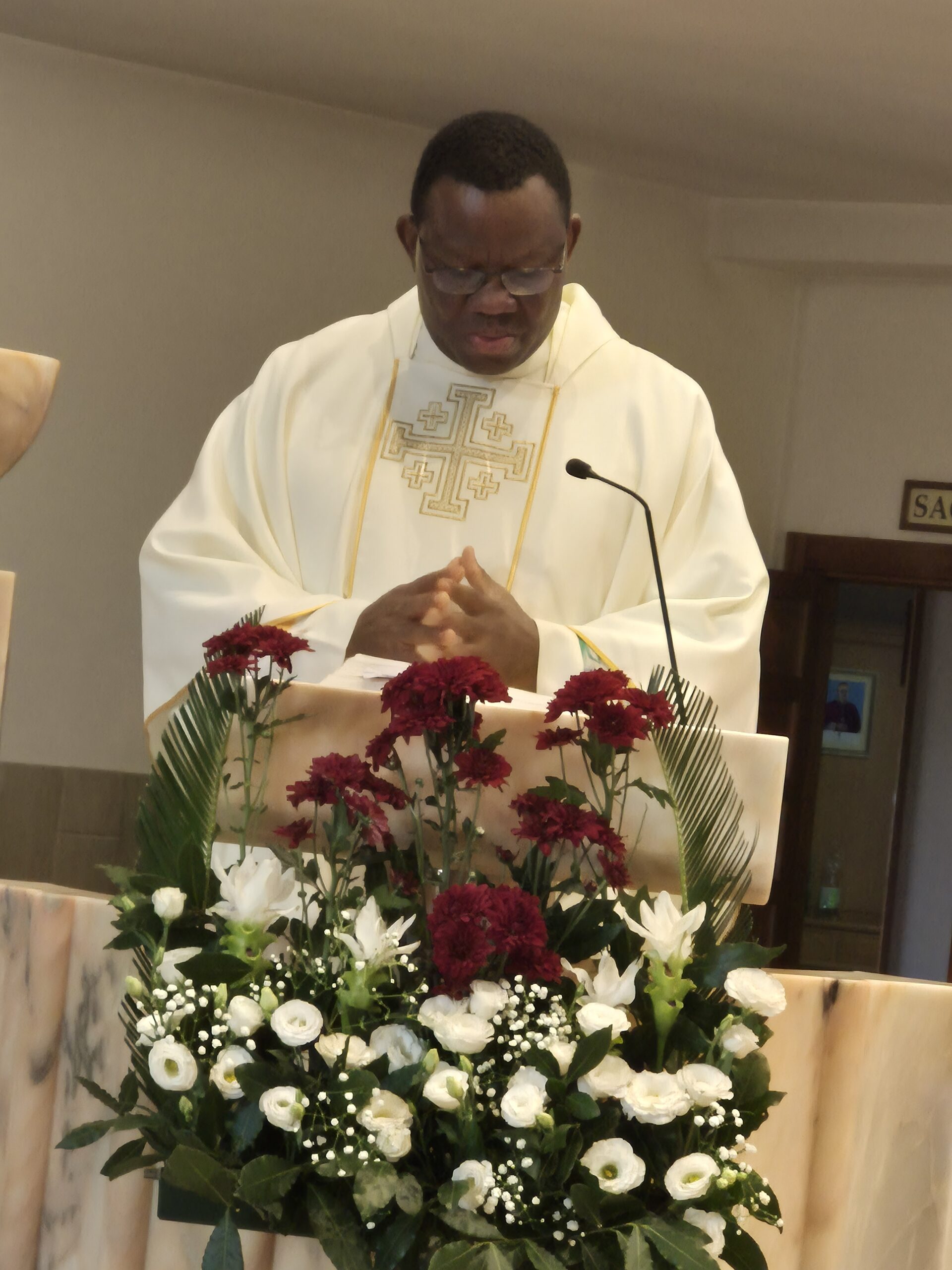
REFLECTION BY FR CORNELIUS NWAOGWUGWU, CM.
ALWAYS BE GRATEFUL.
Dear brothers and sisters in Christ,
Welcome to the celebration of the Twenty-Eighth Sunday in Ordinary Time, Year C. Today is called Prisoners’ Sunday. In our liturgical celebration on this Sunday, we are called to remember those who feel forgotten in prisons. The Gospel according to Luke brings this call home. Jesus notices in the Gospel that ten lepers are healed, but only one returns to give thanks. (Luke 17:11–19).
In my reflection today, I will examine the need for us to always be grateful to God and to each other.
Gratefulness is a term derived from the Latin word gratus, meaning, “pleasing” or “thankful.” Gratefulness means thankfulness, appreciation, recognition, gratitude, respect and acknowledgement. A grateful person is one who shows an appreciation or expresses thanks, respect or gratitude for something received.
Ingratitude or ungratefulness is the absence of gratitude where gratitude is expected. We are in a period where the virtue of gratitude has been sacrificed at the altar of ingratitude. We are in a world where some people no longer make much effort to count their blessings and express thanks to God for favours received. We are in a period where some people prefer complaining and nagging to gratitude and praise.
Gratefulness has great positive effects on us. Gratefulness enhances our spiritual, physical and emotional well-being. Gratefulness makes us happier, less depressed, less stressed and more satisfied with our social relationships and favourable possibilities in the future.
In support of this teaching, today’s First Reading from the second of Book of Kings, reveals how Naaman’s healing is more than physical. His healing, is a spiritual awakening. He returns not just cleansed, but transformed, declaring allegiance to the living God. (2 Kings 5:14–17).
In the same manner, today’s Psalmist echoes gratitude, where creation itself rejoices in God’s justice and glory. This joy is not reserved for the free or the powerful. This joy belongs to all, even those behind prison walls. (Psalm 97).
St. Paul in his second letter to Timothy reminds us that though he is chained, the Word of God is never bound. In prison, in suffering, in silence, God remains faithful. We should not be afraid or discouraged. This is the heart of Prisoners’ Sunday. It is a recognition that grace reaches into every cell, every heart, every story. No one is beyond redemption. (2 Timothy 2:8–13).
It is against this background that the Gospel of Luke draws our attention to our need to thank God for favours received. After curing ten lepers only one person returned to give thanks. Jesus Christ was challenged to ask “were not all ten made clean? The other nine, where are they? It seems that no one has come back to give praise to God except this foreigner.” It is interesting to note that this person who returned to give thanks for favour received moved above the signs of his physical healing and embraced the spiritual benefits of the favour he received. (Luke 17:11-19).
As Catholics, our entire worship is a thanksgiving. Eucharist is the Greek word for thanksgiving. That is why our Mass is called a Eucharistic celebration. Mass goes beyond its physical signs. At Mass, we give God thanks for favours received. It pays to attend Mass as frequently as possible as a sign of expressing our gratefulness to God for favours received.
It is good to thank God. God blesses us every day. He guides us. He protects us. We give thanks not only for freedom, but for mercy, for healing, for second chances. Gratitude is not just politeness. Gratitude is a sign of deep faith. To be thankful is to see God at work in unlikely places. To celebrate Prisoners’ Sunday is to proclaim that no one is too far gone and that grace, like healing, often begins with a simple return.
We should make saying “thank you” a habit not only to God but also to our fellow human beings. That is exactly the message of today’s Gospel according to Luke. St. Paul urges us to “Give thanks to God the Father for everything.” (Ephesian 5: 20). In the same way, the book of Chronicles urges us to: “Give thanks to the Lord, for He is good. His love endures forever.” (1 Chronicles 16:34).
May God gives us His grace to always be grateful to Him and those around us through Jesus Christ, our Lord. Amen.
Fr. Cornelius Nwaogwugwu, CM.